
Ant Control in Plano, TX
In Plano, fire ants take over fresh sod within weeks of spring rains, and kitchen ants push indoors looking for moisture by midsummer. Both get handled in the same visit.
- Fast dispatch
- Same-day where available
- DFW-wide coverage
Ant Control in Plano, TX
Ant Control is dispatched fast across Plano, TX, with same-day windows sometimes available depending on the local provider's route. Coverage spans 8 Plano ZIP codes in Collin County. Collin County sits on the northern edge of DFW with rapidly growing slab-on-grade subdivisions.
Kitchen ants push indoors during dry heat looking for water. That makes Ant Control in Plano a call worth booking before the season shifts. Crews cover Plano and the rest of Collin County, and most addresses can be on the schedule the same week.
Plano coverage runs ZIP codes 75023, 75024, 75025, 75026, 75074, 75075, 75086, and 75093 across Collin County, with a population near 285,000 and a standard suburban build pattern. The local profile leans toward fire ant, german cockroach, roof rat, asian tiger mosquito. Collin County sits on the northern edge of DFW with rapidly growing slab-on-grade subdivisions. Subterranean termite swarms run heavy every spring, and fire ants dominate yard call volume from April through October.
Coverage spans Plano neighborhoods including Willow Bend, West Plano, Legacy West, Deerfield.
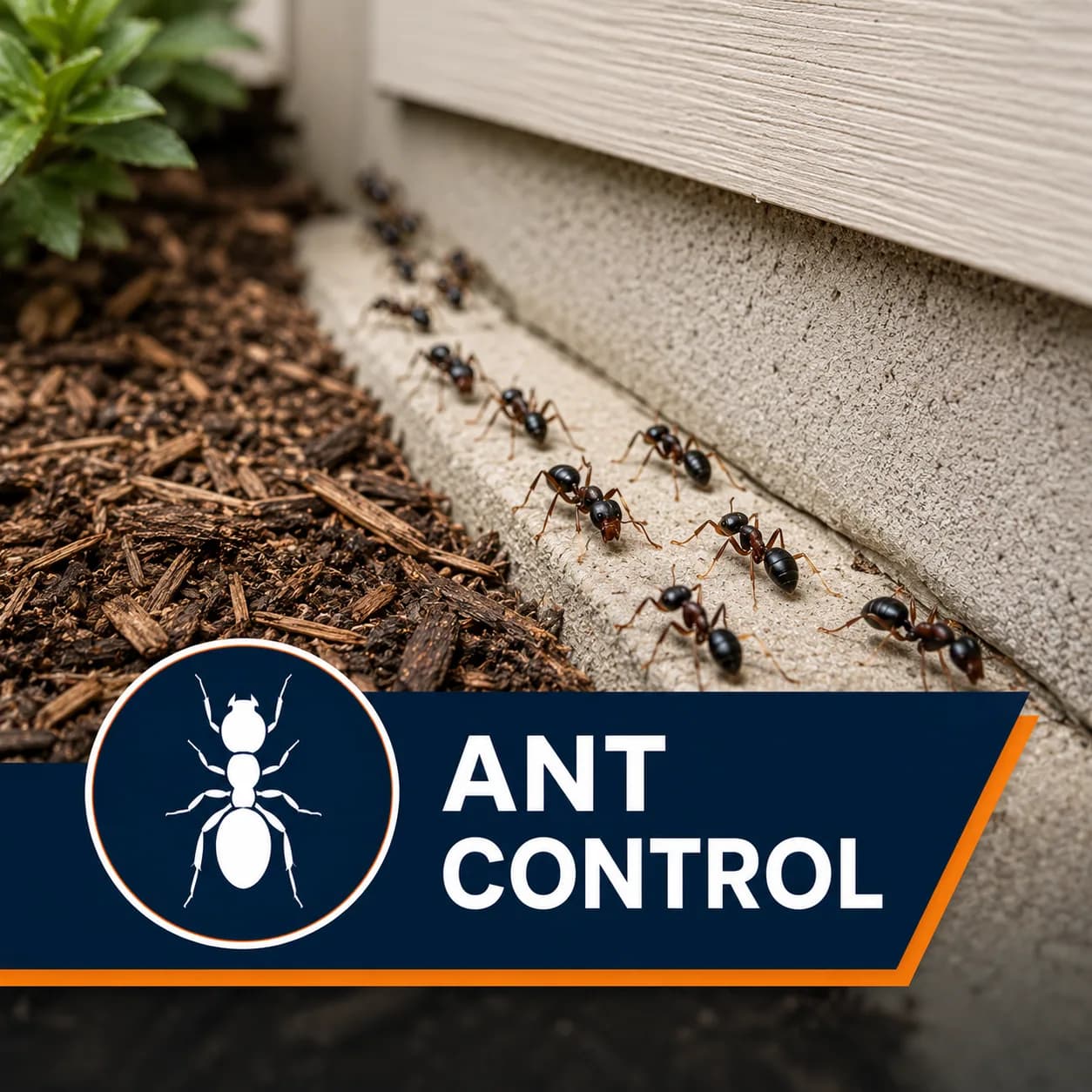
What a Ant Visit Typically Looks Like in Plano
Pest control visits in Plano typically start with a property walk — interior rooms, attic access, exterior foundation band — then move into species-specific treatment. For ant control, the typical workflow runs: species identification — fire ants in the yard vs. kitchen ants inside; mound-by-mound treatment of fire ant nests in turf; non-repellent perimeter treatment so workers carry residual into the colony; quarterly maintenance to suppress reintroduction. The exact protocol, products, and follow-up cadence are determined by the independent provider that takes your call.
Seasonal Pressure in Collin County
Kitchen ants push indoors during dry heat looking for water.
Pests Covered
- Fire ants
- Carpenter ants
- Odorous house ants
- Pavement ants
- Crazy ants
Signs to Watch For
- Fire ant mounds in turf or along driveways
- Indoor trails along counters and baseboards
- Wood frass piles near windowsills (carpenter)
- Sticky sweet residue near pet food bowls
Same-day windows are sometimes available for Plano addresses depending on the provider's route. Call the number above and the dispatcher will confirm the next window.
Ant background reading
Plano Service Area
Coverage spans Plano — ZIP 75023, 75024, 75025, 75026, 75074, 75075, 75086, and 75093.
Ant in Nearby Cities
Other Services in Plano
Ant FAQs — Plano, TX
What time of year is worst for pests in Plano?
Spring is the heaviest swarm and emergence window in Plano — fire ant mounds appear in yards after april rains. Summer pressure stays high across Collin County — kitchen ants push indoors during dry heat looking for water. Fall introductions accelerate as temperatures drop — carpenter ant frass piles show up near oak-tree windows. Winter activity continues indoors — odorous house ants harbor in warm wall voids near plumbing.
Will one visit clear the problem?
Sometimes — for low-pressure exterior issues like wasp nests or surface ant trails, one visit usually finishes the job. Ant Control for established infestations runs a two-visit protocol: initial knockdown, then a follow-up two to three weeks later to confirm reproductive cycles broke.
Do Plano homes need quarterly service or one-time treatment?
Both options are available. Quarterly programs make sense for Plano addresses with year-round pressure — German roaches, fire ants, mosquitoes, or roof rats — because reintroduction is constant. One-time service fits acute problems like a wasp nest or single bed bug introduction.
What does the technician do during the visit?
Inspection first, then targeted treatment. For a typical Ant Control appointment at a Plano home, that means 10 to 20 minutes walking the property, 30 to 60 minutes treating interior and exterior, and a few minutes documenting findings and next-visit recommendations. Total visit length runs 45 to 90 minutes depending on property size.
What does the inspection cover?
The first visit walks interior rooms, attic access, crawlspace if present, exterior foundation band, fence-line harborage, and any reported activity points. The technician identifies species, locates entry points, and builds a treatment plan specific to the Plano property — not a one-size-fits-all checklist.