
Ant Control in Highland Park, TX
In Highland Park, fire ants take over fresh sod within weeks of spring rains, and kitchen ants push indoors looking for moisture by midsummer. Both get handled in the same visit.
- Fast dispatch
- Same-day where available
- DFW-wide coverage
Ant Control in Highland Park, TX
Ant service is fast-dispatched across Highland Park, TX and the rest of Dallas County — often same-day where the local provider's schedule allows. Coverage spans all 1 Highland Park ZIP code. Dallas County's mix of pre-war housing and post-war slab construction creates two distinct pest profiles.
Active pest problem at a Highland Park address? Dispatch answers calls fast and connects you with a local independent pest control provider serving Dallas County — same-day appointments are sometimes available depending on the provider's schedule. This page covers what Ant Control typically looks like for a Highland Park home — what gets treated, how the visit usually runs, and what to expect after the technician leaves.
Highland Park coverage runs ZIP codes 75205 across Dallas County, with a population near 9,000 and a standard suburban build pattern. The local profile leans toward fire ant, roof rat, carpenter ant, subterranean termite. Dallas County's mix of pre-war housing and post-war slab construction creates two distinct pest profiles. Older neighborhoods drive carpenter ant and roof rat volume; newer subdivisions see most of the termite swarmer calls. German roach pressure runs heavy in older multifamily stock, and fire ants own the yards.
Coverage spans Highland Park neighborhoods including Highland Park (north), Highland Park (south), Lakeside.
What a Ant Visit Typically Looks Like in Highland Park
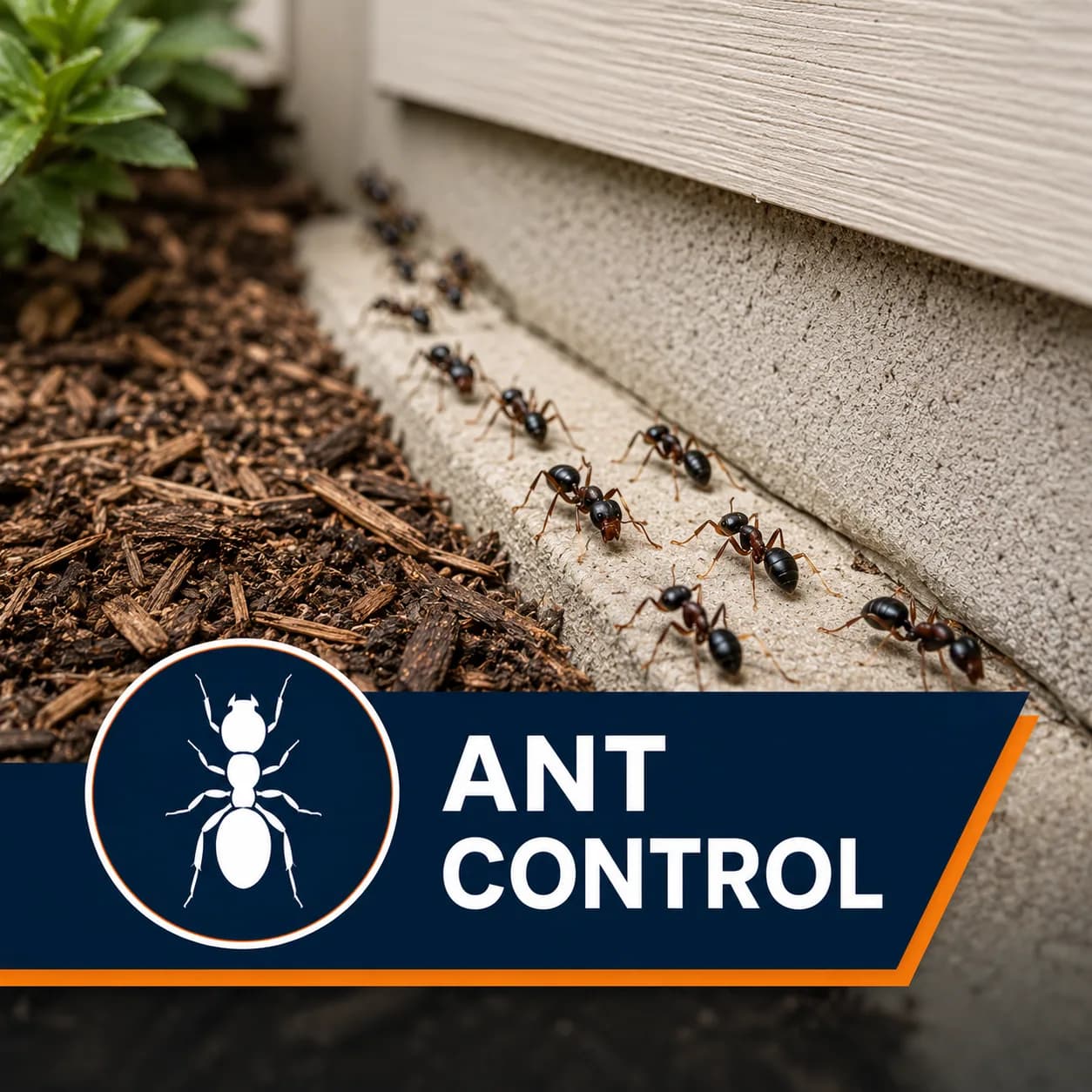
Pest control visits in Highland Park typically start with a property walk — interior rooms, attic access, exterior foundation band — then move into species-specific treatment. For ant control, the typical workflow runs: species identification — fire ants in the yard vs. kitchen ants inside; mound-by-mound treatment of fire ant nests in turf; non-repellent perimeter treatment so workers carry residual into the colony; quarterly maintenance to suppress reintroduction. The exact protocol, products, and follow-up cadence are determined by the independent provider that takes your call.
Seasonal Pressure in Dallas County
Kitchen ants push indoors during dry heat looking for water.
Pests Covered
- Fire ants
- Carpenter ants
- Odorous house ants
- Pavement ants
- Crazy ants
Signs to Watch For
- Fire ant mounds in turf or along driveways
- Indoor trails along counters and baseboards
- Wood frass piles near windowsills (carpenter)
- Sticky sweet residue near pet food bowls
To book ant service for a Highland Park property, call the dispatch number listed above.
Ant background reading
Highland Park Service Area
Coverage spans Highland Park — ZIP 75205.
Ant in Nearby Cities
Other Services in Highland Park
Ant FAQs — Highland Park, TX
What time of year is worst for pests in Highland Park?
Spring is the heaviest swarm and emergence window in Highland Park — fire ant mounds appear in yards after april rains. Summer pressure stays high across Dallas County — kitchen ants push indoors during dry heat looking for water. Fall introductions accelerate as temperatures drop — carpenter ant frass piles show up near oak-tree windows. Winter activity continues indoors — odorous house ants harbor in warm wall voids near plumbing.
How is Ant Control different from a big-box DIY product?
Retail products are formulated for surface knockdown; professional protocols use non-repellent residuals, growth regulators, and targeted gels that the pest carries back to the colony or harborage. The difference is what the product does after the pest contacts it — and that gap is why retail products knock down what you see and miss what you don't.
Will one visit clear the problem?
Sometimes — for low-pressure exterior issues like wasp nests or surface ant trails, one visit usually finishes the job. Ant Control for established infestations runs a two-visit protocol: initial knockdown, then a follow-up two to three weeks later to confirm reproductive cycles broke.
Why did pouring boiling water on the fire ant mound not work?
Fire ant queens nest 12 to 18 inches deep. Surface treatments knock down workers but miss the queen, who keeps producing replacements. Ant Control in Highland Park uses a two-step approach — mound treatment plus a yard-wide broadcast bait — to take out queens across multiple colonies at once.
Do you treat both inside and outside the home?
Yes. Standard Ant Control runs interior baseboards, kitchen and bath voids, garage perimeter, and the full exterior band around the foundation. Attic and crawlspace inspections are part of the first visit for any Highland Park home where activity reaches that area.