
Ant Control in University Park, TX
In University Park, fire ants take over fresh sod within weeks of spring rains, and kitchen ants push indoors looking for moisture by midsummer. Both get handled in the same visit.
- Fast dispatch
- Same-day where available
- DFW-wide coverage
Ant Control in University Park, TX
Ant Control dispatches fast to University Park, TX addresses in Dallas County. The local pest profile centers on fire ant, carpenter ant, roof rat.
University Park sits in Dallas County across 3 ZIP codes, with roughly 25,000 residents in a tight suburban pattern. Pest pressure tracks the local mix of housing stock and tree canopy. This page walks through Ant Control for University Park homes specifically — not a generic Texas service page.
University Park coverage runs ZIP codes 75205, 75225, and 75275 across Dallas County, with a population near 25,000 and a tight suburban build pattern. The local profile leans toward fire ant, carpenter ant, roof rat, subterranean termite. Dallas County's mix of pre-war housing and post-war slab construction creates two distinct pest profiles. Older neighborhoods drive carpenter ant and roof rat volume; newer subdivisions see most of the termite swarmer calls. German roach pressure runs heavy in older multifamily stock, and fire ants own the yards.
Coverage spans University Park neighborhoods including Volk Estates, SMU corridor, Caruth Park.
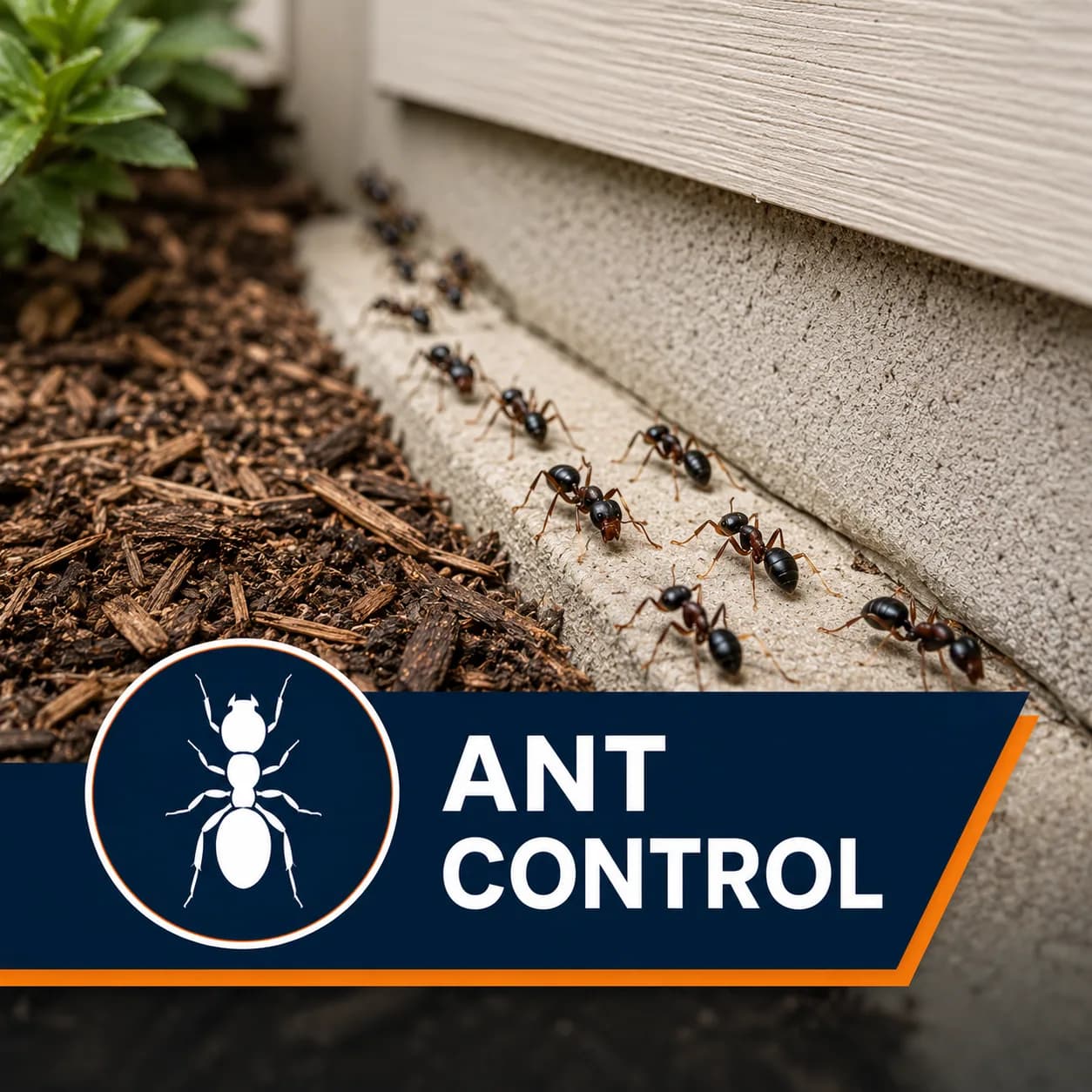
What a Ant Visit Typically Looks Like in University Park
Most providers in University Park open with an inspection; targeted treatment follows once the technician confirms what's active and where. For ant control, the typical workflow runs: species identification — fire ants in the yard vs. kitchen ants inside; mound-by-mound treatment of fire ant nests in turf; non-repellent perimeter treatment so workers carry residual into the colony; quarterly maintenance to suppress reintroduction. The exact protocol, products, and follow-up cadence are determined by the independent provider that takes your call.
Seasonal Pressure in Dallas County
Kitchen ants push indoors during dry heat looking for water.
Pests Covered
- Fire ants
- Carpenter ants
- Odorous house ants
- Pavement ants
- Crazy ants
Signs to Watch For
- Fire ant mounds in turf or along driveways
- Indoor trails along counters and baseboards
- Wood frass piles near windowsills (carpenter)
- Sticky sweet residue near pet food bowls
Same-day windows are sometimes available for University Park addresses depending on the provider's route. Call the number above and the dispatcher will confirm the next window.
Ant background reading
University Park Service Area
Coverage spans University Park — ZIP 75205, 75225, and 75275.
Ant in Nearby Cities
Other Services in University Park
Ant FAQs — University Park, TX
Are the products safe around children and pets?
Yes. Ant Control in University Park uses EPA-registered products applied per label rate. After treatment, indoor surfaces are dry within about an hour. Pets and children can re-enter treated rooms once visible product has dried — typically before the technician finishes the exterior.
What does the technician do during the visit?
Inspection first, then targeted treatment. For a typical Ant Control appointment at a University Park home, that means 10 to 20 minutes walking the property, 30 to 60 minutes treating interior and exterior, and a few minutes documenting findings and next-visit recommendations. Total visit length runs 45 to 90 minutes depending on property size.
Is there anything I need to do before the technician arrives?
For most Ant Control visits, no prep is required. For bed bug heat treatments, prep instructions go out 48 hours ahead. For roach jobs, the technician asks for access to under-sink cabinets and behind appliances; clearing those areas in advance speeds up the visit.
Do University Park homes need quarterly service or one-time treatment?
Both options are available. Quarterly programs make sense for University Park addresses with year-round pressure — German roaches, fire ants, mosquitoes, or roof rats — because reintroduction is constant. One-time service fits acute problems like a wasp nest or single bed bug introduction.
What time of year is worst for pests in University Park?
Spring is the heaviest swarm and emergence window in University Park — fire ant mounds appear in yards after april rains. Summer pressure stays high across Dallas County — kitchen ants push indoors during dry heat looking for water. Fall introductions accelerate as temperatures drop — carpenter ant frass piles show up near oak-tree windows. Winter activity continues indoors — odorous house ants harbor in warm wall voids near plumbing.